Cranford, NJ
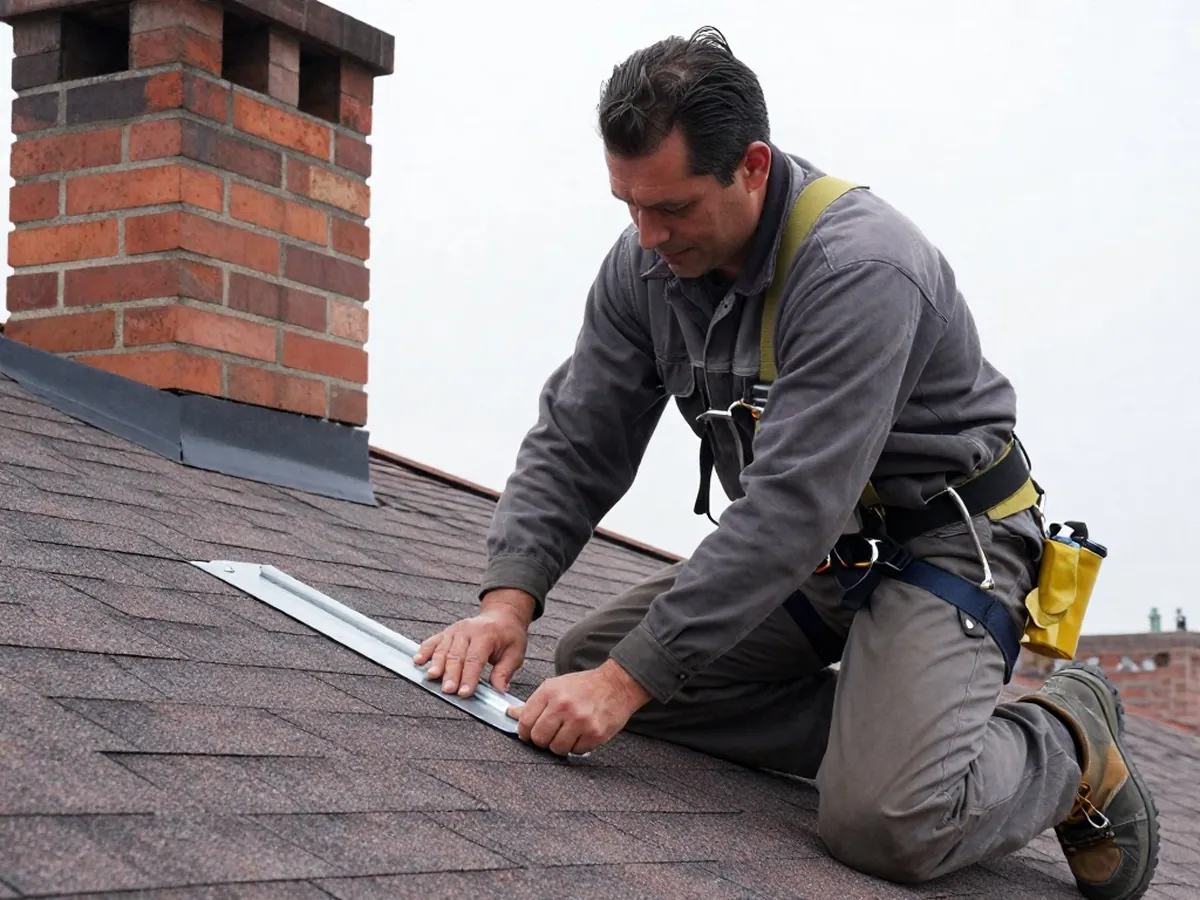
Roofing in Cranford, NJ: River Floods and Older Houses
The Rahway River winds through Cranford from north to south, and the township was originally known as the Venice of New Jersey. A roof over that much water gets rain from above and wet ground below, so shingles and gutters work as a pair. When a stain, a missing shingle or a dangling gutter raises a question, dial (732) 574-5073. Storm damage and gutter repair are the pages to open first.
The houses here
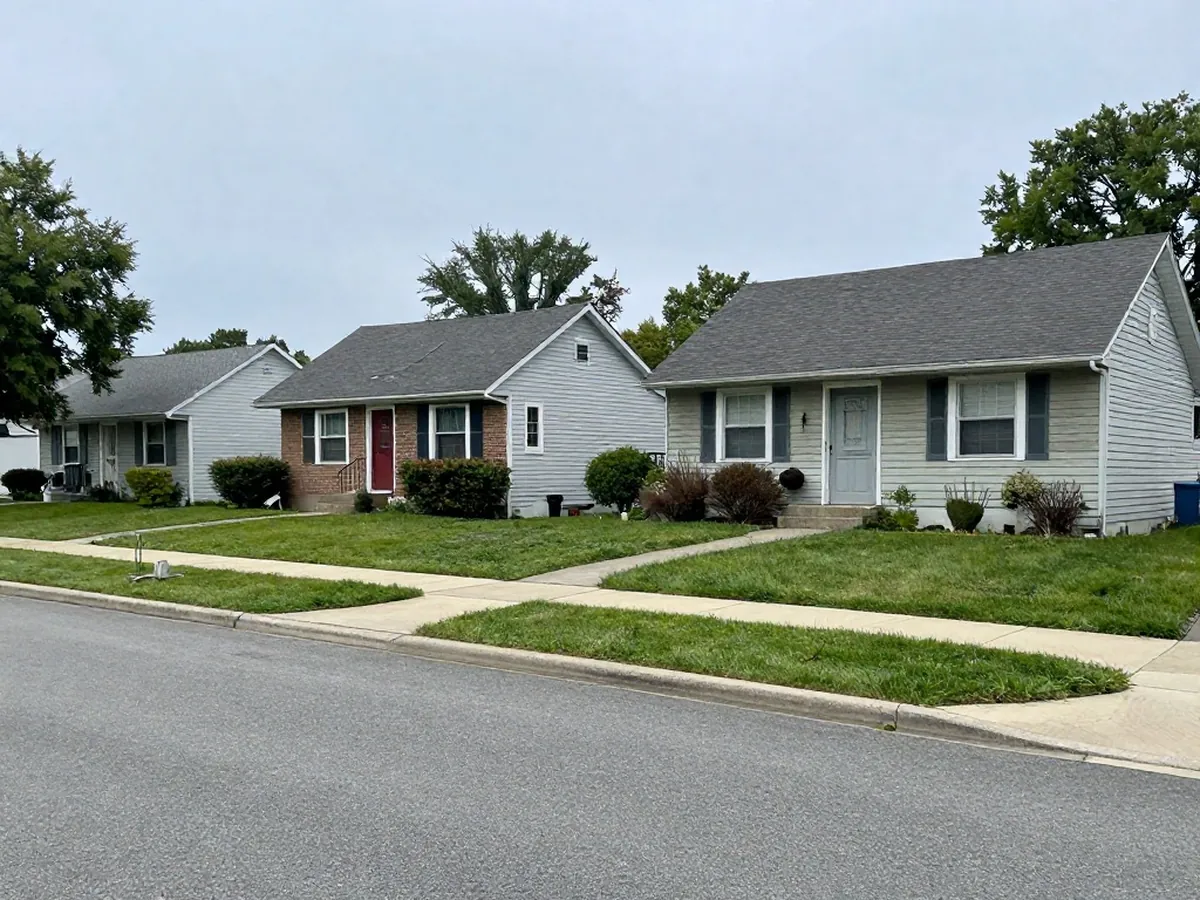
Census Reporter's 2024 five-year profile counts 9,661 housing units in Cranford, give or take 343. Union County's municipal profile, built on 2013-2017 estimates, reports that 75.5 percent of the housing stock predates 1960, 73.2 percent is single-unit detached, and 78.3 percent is owner-occupied.
Three houses in four from the 1950s or earlier means roofs that may carry layers of old work. A roofer reads the flashing, the vents and the edges first, since that is where earlier repairs overlap. Treat the percentages as a picture of the township, not of your block.
Garwood Brook, the Rahway and a levee by Nomahegan Park
Union County's draft hazard plan for Cranford counts 1,302 flood insurance claims averaging $31,001, against 8,305 parcels, and reads that as a very high level of vulnerability to floods. It says Garwood Brook causes substantial flooding in the township because of a constriction under the Conrail tracks. It also links overtopping of the levee on the Rahway, between Nomahegan Park and Springfield Avenue, to flooding along Balmiere Parkway and neighboring blocks. Several properties there are classed as repetitive loss.
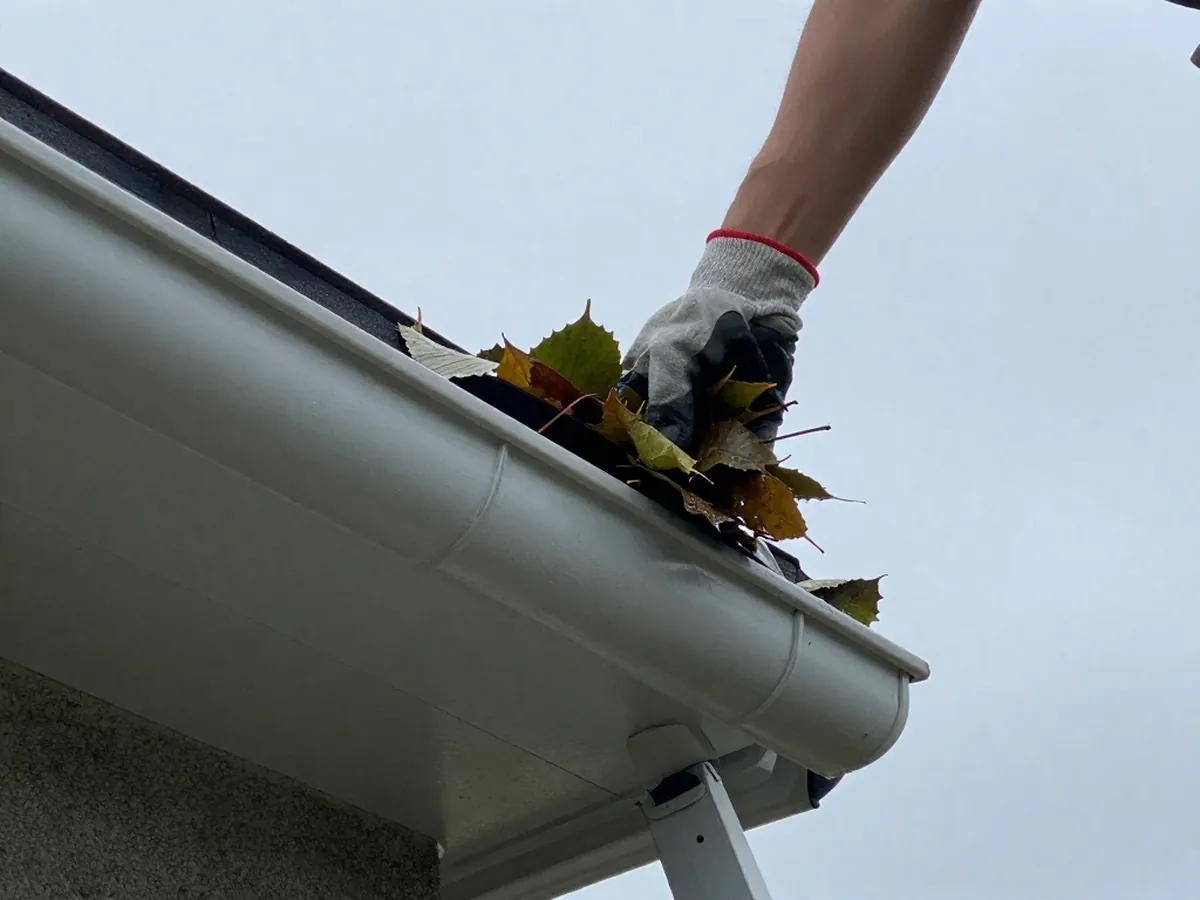
The plan is a 2015 draft, and flood maps change. For a roof, the lesson is simpler: gutters, downspouts and roof edges that move water away from the foundation do work in a town like this. Gutter and downspout repair covers the checks.
Local tips
Cranford's Building Department takes inspection requests by phone at 908-709-7213 on weekdays, and asks for the permit number, the work-site address and the kind of inspection.
The Rahway runs through town. On a rainy day, trace each downspout to its end; the EPA describes sending that water onto a lawn or garden, where local rules allow.
After wind, wires come first. PSE&G asks for 30 feet of distance from a downed line and a call to 911 or the utility.
From a window or the yard, scan for stains near flashing; the trade group counts flashings among the roof's weak spots.
When a ceiling stain follows a hard rain, call (732) 574-5073 and name the room.
Ask about a visit
Keep the address, a rough roof age and a few ground-level photos nearby, then call (732) 574-5073. Tenants hand the owner a dated photo first. Towns: Clark, Cranford and Linden.