Before anyone arrives
What to do in the first stretch after spotting a roof problem
Four steps, in order, drawn from state and trade-group pages. They keep people safe, keep the evidence and make the phone call shorter. None of them needs a ladder.
Safe first, sorted second
Wires come before shingles. A downed line may still be energized and can look harmless, PSE&G says, so the whole household stays at least 30 feet away. Reach the utility on 1-800-436-7734, or dial 911.
If water is running through a fixture or a ceiling is bulging, leave the room and dial 911 from a dry spot. As for ladders: New York State's health department says to skip them in wet or icy weather.
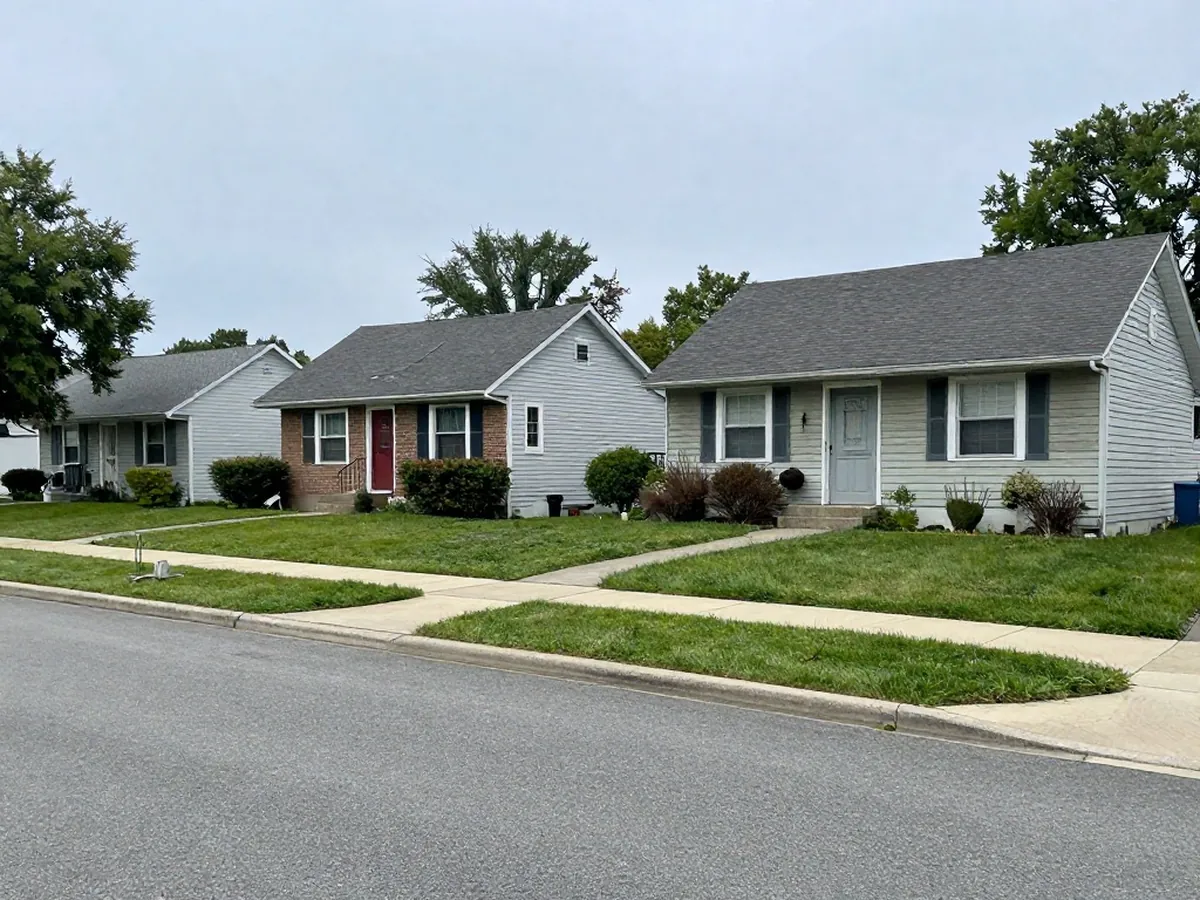
A lap around the house with binoculars
The shingle makers' trade group, writing after Superstorm Sandy, suggests a first inspection from the ground or an upstairs window, binoculars in hand. Then the attic: look at the roof deck from below, and study every flashing point, which it calls the most vulnerable part of a roof.
Write down what you see, with the date.
Slow the water, save the bills
The Department of Energy's repair brief says to prevent additional water damage with tarps or other water barriers, and to let damaged structure dry. New Jersey's insurance department says the same in its own words: make necessary temporary repairs, and save every receipt or bill to submit with a claim.
A tarp is a stopgap. It does not tell you what is under it.
Who hears about it, and in what order
Tenants tell the owner first, with the date and a photo; a rented roof is the owner's call. Owners tell the insurer if a claim is possible; the department notes that the company assigns an adjuster to inspect, and that written notes about each conversation help.
Then call (732) 574-5073 and ask what the contractor's schedule looks like for a visit.
Ask about a visit
Keep the address, a rough roof age and a few ground-level photos nearby, then call (732) 574-5073. Tenants hand the owner a dated photo first. Towns: Clark, Cranford and Linden.